
Showing posts with label TIPS. Show all posts
Showing posts with label TIPS. Show all posts

2016/04/20
I want to be goalie!
So what is wrong with being goalkeeper? Why don’t children want to play in this position?
1. Fear of letting the team down
Attackers, midfielders and defenders can all get away with making the occasional mistake but if a goalkeeper drops the ball in front of an attacker, scuffs a goal kick or lets a shot go through their legs… well, you know what happens next. For a child, the fear of letting the team down is a powerful disincentive to volunteering to go in goal.
2. The power of the press.
We are all aware of Rob Green’s “amazing howler” at the 2010 World Cup finals and there are plenty of gleeful “Top Ten Goalkeeper Mistakes” videos on YouTube. It’s no wonder young players are put off going in goal when they read about and watch a famous goalkeeper’s career crumble in one second.
But how can we convince our players, (and their parents), that being a goalkeeper is really a honour, not a guarantee of lasting infamy or a quick way to become a scapegoat for the rest of the team?

Specialist coaching for special players
It is not surprising that young goalkeepers make mistakes – many youth football (soccer) coaches never give their players any goalkeeper training. Some coaches say that’s because they don’t have the time and some say they don’t know how. But we should all devote some time in coaching sessions to our goalkeepers.
Try this: ask your players if they would like to practise passing for 10 minutes or spend the same time practising making saves. You may be surprised to find that your players actually want to learn goalkeeping techniques. OK, that doesn’t mean they’ll want to use them in a match but it’s a start.
Dress them up, not down
Don’t make your goalkeeper wear old, dirty gloves and a top that’s seen better days. Buy and use a really top-notch kit. A bright top, warm trousers and some good-quality gloves will make whoever plays in goal feel good about themselves.
Whose job is it anyway?
Make sure your players know that goals are never “let in” by your goalkeeper – they are always “scored” by your opponents and it is the outfield players’ job to stop the opposition from reaching scoring positions. So if an opposition player is within range of your goal, shoots and scores, it is not the goalkeeper’s fault.
Recognise and reward
Make a fuss of your goalkeeper at half time and during post-match chats with your players. Ensure they receive at least their fair share of “Player of the Match” awards and that they (and the rest of your players) know the goalkeeper is a special player.
If you follow these tips you might not get trampled in the rush when you ask for volunteers to go between the sticks. But it will make the position of goalkeeper in your team a desirable one, not a position to be avoided at all costs.
http://www.footy4kids.co.uk/soccer-drills/goalkeeping/i-want-to-be-the-goalie/
2016/04/05
Some typical characteristics of the Under 10 player
- Attention span lengthens and they start to show the ability to sequence thoughts and actions.
- Players start to think ahead and think “If this, then that”
- Players are more inclined towards wanting to play soccer rather than being told to play
- Demonstrate increased self-responsibility
- Players start to recognize fundamental tactical concepts
- Begin to become aware of peer pressure.
- Players affiliate with their team or their coach
- There is a wide continuum of maturity evident on most teams.
- U10 is still a crucial age for technical skill development.

http://www.mayouthsoccer.org/coaches/u10/
Some typical characteristics of the Under 8 player
- Enjoy playing in pairs
- Are now able to take another’s perspective.
- Still unable to think abstractly – be patient.
- Cooling system still less efficient than adults – still make sure to give frequent water breaks.
- Still prefer playing to watching – keep everyone active during practice.
- Limited attention span
- Have an understanding of time and sequence – “if I do this, then that happens”.
- Some now have a third or fourth speed in addition to stopped and as fast as possible.
- Very aware of adult reactions – be very aware of your reactions.
- Seek out adult approval and need reassurance – be supportive.
- Begin to become aware of peer perception – a social order is beginning to develop.
- Wide range of abilities between children at this age
- Beginning to develop motor memories
- Some become more competitive
- Less active imaginations than U6 players

http://www.mayouthsoccer.org/coaches/u8/
Some typical characteristics of the Under 6 player
- Focused on themselves – reality to them is based on what they see and feel
- Unable to see the world from another’s perspective
- Everything is in the here and now
- Cooling systems are less efficient - need frequent water breaks
- Enjoy playing, not watching. Every player should have a ball in practice
- Limited attention span - keep directions concise and to the point
- Effort is performance – if they try hard, they are doing well
- Active imaginations – utilize their imagination in activities, and they will love practice!
- Look for adult approval – be encouraging when they say “Coach, look what I can do!”
- Unable to think abstractly – spatial relationships are a mystery
- Typically have 2 speeds -- extremely fast and stopped
- Usually unaware of game scores – keep it that way

http://www.mayouthsoccer.org/coaches/u6/
2016/03/15
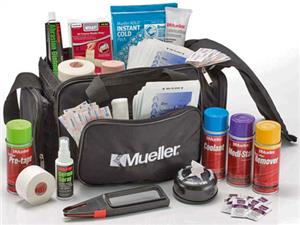
First Aid kit for soccer
Suggested contents:
- Alcohol Wipes
- Antibiotic Cream (“triple”)
- Assorted “Band Aids®” (latex free, hypoallergenic)
- Athletic Tape (cloth-type; no “paper” tape)
- Bandage Scissors
- Calamine Lotion
- Chemical Cold Packs
- Contact Lens Container
- Contact Lens Storage Solution
- Cotton Swabs (cotton balls)
- Elastic (“Ace®”) Bandages; 2-inches and 4-inches wide
- Eye Pads
- Fingertip Bandages
- Gauze Pads, Assorted Sizes
- Gauze Rolls
- Hand Sanitizer
- Hydrocortisone Cream
- Hydrogen Peroxide
- Insect Sting Relief pads, swabs, gel or “pen”
- Iodine Pads
- Large Triangular Cloth to be used as a sling
- Magnifying Glass (plastic)
- Nail Clippers
- Nasal Plugs
- Non-latex (latex-free) Gloves
- Penlight, waterproof; Fresh Batteries
- Q-Tips® or other Cotton-tipped Applicators
- Safety Pins (for sling)
- Saline Solution
- Sealed, moistened towelettes
- Sewing Needle for splinters; sterilize before use
- Small, hand-held mirror
- Soap
- Sterile Water
- Sunscreen (SPF-30 or higher)
- Tongue Depressors for use as finger splints
- Trash Bag
- Tweezers (Metal); sterilize before use
http://coachingamericansoccer.com/administration/first-aid-kit-for-soccer-new-spr-13/
2016/03/08
Players' Responsibilities & Rules
- Work hard, have fun and give your best effort every time you are on the field for practices or games.
- Wear all required equipment (shin guards, proper shoes & uniforms).
- Pay attention to the coaches when they are speaking and providing instructions on or off the field. Respect the decisions of the referee.
- Be a team player. Players should learn the rules of soccer and play by them at all times. Learn and develop teamwork, discipline and sportsmanship and practice them.
- Be on time for all games and practices. Persistent lateness or absence will result in reduction of playing time.
- Disrespectful behavior to coaches, referees or other players will not be tolerated. The use of indecent or profane language is unacceptable. Use of such language may result in suspension.
- Fighting, horseplay or any physical or verbal abuse will not be tolerated. Penalties may include issuing a red card and ejection from the game. The Board may impose additional penalties up to and including

http://www.riverdalesoccerclub.org/rules.pdf
2016/02/24
Guide to Picking The Right Pair of Soccer Cleats
- HG – Hard ground is the ideal option for players who play on dry surfaces, or surfaces where grass has been worn away and the ground is barer. This configuration features a low profile with many conical studs to help keep you balanced. Can also be used effectively on FG surfaces.

- SG – Soft Ground boots should only be worn when the surface is soft enough for the studs to penetrate the surface. This is the configuration of choice for players in areas where it rains very frequently and they usually feature replaceable studs.

- AG – Artificial Ground is the newest type of configuration that companies are trying to incorporate into the market. AG is specific to newer turf surfaces and the top brands have proven extremely effective in producing excellent traction. Not to be used on FG.
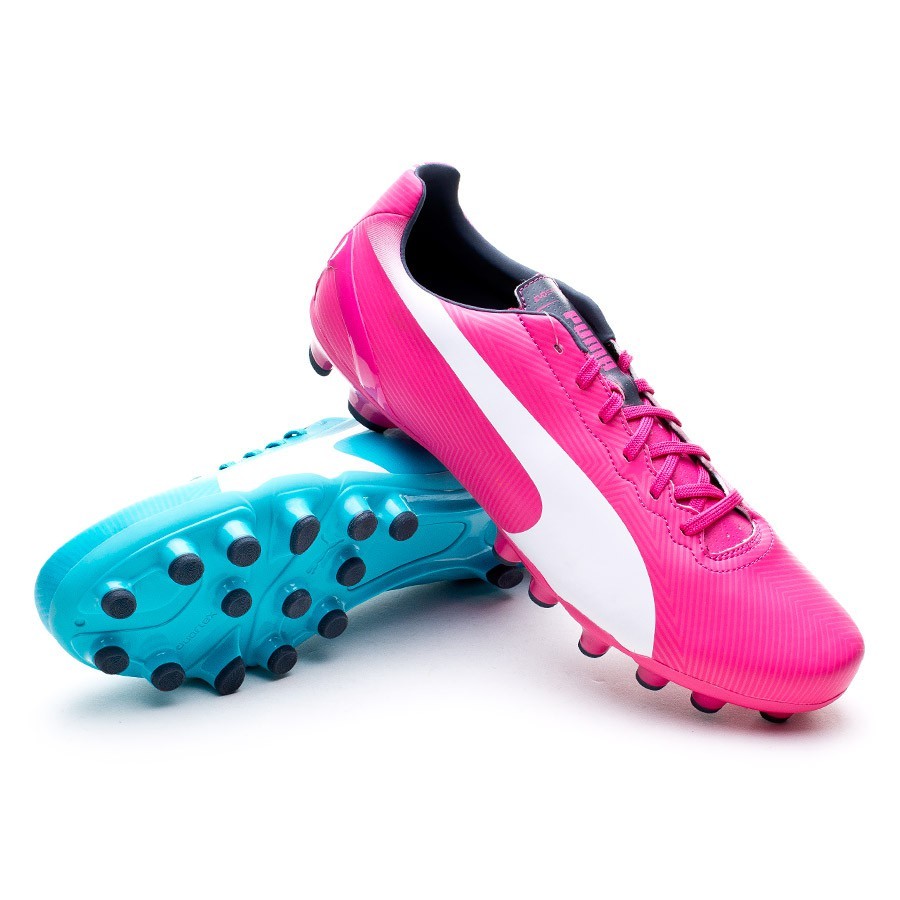
- FG – Firm Ground boots are best suited to natural grass surfaces where it doesn’t rain regularly. With so many locations taking to artificial grass, companies are adjusting their designs and FG is now pretty much accepted as an option for Artificial pitches.

- AT – Turf shoes have long been the preferred choice for players on artificial surfaces. They feature a very low profile with a concentrated number of small conical rubber studs. They offer an older style performance option for players who play on any sort of turf surface.

- IN – Indoor shoes are designed for any sort of court soccer play. If the surface is flat and “solid as a rock” then indoor is probably the right choice.

http://www.soccercleats101.com/2013/07/04/complete-guide-to-picking-the-right-pair-of-soccer-cleats/
What basic gear is needed for soccer?
One of the great things about soccer is that you don't need a lot of gear to play. Soccer only requires a few basic pieces of equipment, including a ball, clothing, shin guards and footwear. With these few basic pieces, you can play a pick-up game or competitive soccer.
 One of the most basic -- and most important -- pieces of soccer equipment is the ball. FIFA specifies that soccer balls must be spherical, with circumference between 27 and 28 inches. It also specifies that the ball should weigh 14 to 16 ounces at the beginning of the game and have air pressure of 8.5 pounds per square inch.
 Players must wear a jersey and shorts. They are permitted to


Ball
One of the most basic -- and most important -- pieces of soccer equipment is the ball. FIFA specifies that soccer balls must be spherical, with circumference between 27 and 28 inches. It also specifies that the ball should weigh 14 to 16 ounces at the beginning of the game and have air pressure of 8.5 pounds per square inch.
Jersey and Shorts
 Players must wear a jersey and shorts. They are permitted to
wear undershirts, but the sleeve of the undershirt must match the color of the jersey's sleeve. Players can also wear undershorts, and they must be the same color as the shorts. Players must keep their jerseys on during the game.
Shin Guards and Socks

FIFA requires all players to wear shin guards. They must be made of rubber, plastic or a similar material, and provide reasonable protection to the player. The referee will check players' shin guards before they enter the field to ensure that they provide sufficient protection. Soccer players must wear socks that cover the shin guards entirely.
Footwear
Soccer players must wear footwear. This can simply be a pair of running shoes, but most players prefer specialized soccer shoes.

http://healthyliving.azcentral.com/basic-gear-needed-soccer-4710.html
Fair Play Guidelines

- Respect the rules
- Respect the officials and their decisions
- Respect your opponent
- Give everyone an equal chance to participate
- Maintain your self-control at all times
- I will participate because I want to, not just because my parents or coaches want me to.
- I will play by the rules, and in the spirit of the game.
- I will control my temper - fighting and “mouthing off” can spoil the activity for everybody. No swearing!
- I will respect my team mates and opponents. No put downs.
- I will do my best to be a true team player.
- I will remember that winning isn’t everything - that having fun, improving skills, making friends and doing my best are also important.
- I will acknowledge all good plays/performances - those of my team and of my opponents.
- I will remember that coaches and officials are there to help me. I will accept their decisions and show them respect.

- I will not force my child to participate in sports.
- I will remember that my child plays sport for his or her enjoyment, not for mine.
- I will encourage my child to play by the rules and to resolve conflicts without resorting to hostility or violence.
- I will teach my child that doing one’s best is as important as winning, so that my child will never feel defeated by the outcome of a game/event.
- I will make my child feel like a winner every time by offering praise for competing fairly and trying hard.
- I will never ridicule or yell at my child for making a mistake or losing a competition.
- I will remember that children learn best by example. I will applaud good plays/performances by both my child’s team and their opponents.
- I will never question the officials’ judgment or honesty in public.
- I will support all efforts to remove verbal and physical abuse from children’s sporting activities.
- I will respect and show appreciation for the volunteer coaches who give their time to provide sport activities for my child.

http://armstrongyouthsoccer.weebly.com/fair-play-guidelines.html
2016/02/23
8 Reasons to play soccer
1. Simple
 Soccer requires one ball and a space to play. The space doesn’t have to be large. Grass and cleats aren’t required.
 You need good work ethic to become successful at soccer. You must train hard to develop skills and fitness.
 Players become fit and create positive fitness habits that can last a lifetime. They learn what it takes to be in shape and work hard to improve their fitness.
 Soccer requires one ball and a space to play. The space doesn’t have to be large. Grass and cleats aren’t required.
I’ve played soccer everywhere you can imagine. I’ve played on the beach, in the parking lot outside my apartment, and in my parent’s basement.
Being able to play anywhere means you can have fun, show off, and improve your skill anytime.
2. Something For Everyone
Anyone that can kick a ball can play soccer. It’s a blast for beginners and experts alike.
Beginners love soccer because it’s quick to pick up and play. There is inherent joy in kicking a ball around (even if you’re not very good).
Soccer can also be complex. If you want to play competitively, you must hone many skills, learn strategies, and become fit. Experts and beginners can always improve, and with each improvement players enjoy playing more and more.
3. Work Ethic
 You need good work ethic to become successful at soccer. You must train hard to develop skills and fitness.
Coaches and teammates push players to develop better work ethic, and when players work hard and succeed they build confidence (which translates to all aspects of life).
4. Leadership
Leaders often form on a soccer pitch.
Players learn that their teammates need someone to guide them in the right direction.
Through trial and error, players learn how to lead effectively.
5. Sportsmanship
Through good examples by coaches and teammates, players learn what it takes to play a sport with class.
Bad sportsmanship is punished, and most players discover the value of great sportsmanship.
6. Perseverance
At first, players get frustrated when they fail. They eventually realize that through perseverance, their ability as a player will improve.
Players may have to overcome injuries, cold streaks, bad coaches, and more. All these things teach perseverance.
7. Fitness
 Players become fit and create positive fitness habits that can last a lifetime. They learn what it takes to be in shape and work hard to improve their fitness.
Soccer players tend to become lean and muscular. They develop endurance from constant running, and muscles from work-outs.
Players tend to think more about nutrition and drug use. They want to play to their full potential so they avoid drugs and unhealthy food.
When players are playing they are not watching TV, playing video games, or texting. They are getting a full work-out that teaches them healthy habits.
8. Social
Soccer players become friends with their teammates.
Teammates share a common bond that promotes a sense of unity and fosters friendships.
Some teammates even become lifelong friends.
http://www.completesoccerguide.com/soccer-benefits/
2016/02/15
Parents' Responsibilities & Rules
- Be sure that your child attends all practices and games. Coordinate transportation to ensure that the player is prompt when arriving and departing. If unable to attend a game or practice, notify the coach and/or manager of the team. Persistent, unexcused absences and lateness may affect the future inclusion of a player on the game roster.
- Ensure that your child brings all equipment and uniforms to games and practices.
- Support your childs' coach and help when you can. Disagreements with your coach do not belong on the field. Questions, input and positive suggestions should be voiced to the coach in the absence of players.
- Parents are encouraged to come and watch, but should not shout instructions from the sidelines. This causes confusion. Players should listen for coachs' and refs' instructions only.
- Parents and spectators for each team should remain at least six feet behind the sidelines and across the field from players. Parents should not stand behind the goal posts or goal line. Parents should not go on the field before, during, or in-between games.
- Parents are expected to set a good example for the children at all times by their positive behavior, sportsmanship, attitude and language. Abusive language, behavior or physical assault may result in immediate suspension from the soccer program.
- Parents are expected to demonstrate respect for the referees.
http://www.riverdalesoccerclub.org/rules.pdf
2016/02/13
HEALTH
WHAT TO EAT AND WHEN TO EAT IT
The timing of the meals you consume is important.
On the day of a match the intake of fat and protein should be restricted, as these nutrients require a relatively long time to be digested. Plan to have your pre-competition meal 3-4 hours before the match. Your pre-competition meal should be: high in carbohydrate (this is the fuel that your body needs to perform at the highest level), low in fat, low in protein, low in fibre, not too bulky, and easy to digest. You should consume foods such as: breakfast cereal with low fat milk, toast or bread with jam/honey, sandwiches with banana/honey/jam, pasta/rice with low fat sauce, muffins, baked potato, fruit, energy bars, and orange juice.

A snack high in carbohydrate may be eaten about 2 hours before the match, however the time reference is only a guideline as there are great individual differences in the ability to digest food. It is a good idea for you to experiment with a variation of foods at different times before training sessions. Foods such as toast, bread or crumpets with jam/honey, sweetened cereal and low fat milk, muffins, orange juice and jelly sweets could be consumed.
Once the game is over, fluids should be replaced and carbohydrate should be consumed as soon as possible to promote recovery of glycogen stores. During the cool down you should consume fluids and small snacks, such as jelly sweets, jaffa cakes and jammy dodgers. As soon as possible you should aim to consume a meal which is high in carbohydrates. Foods such as pasta, spaghetti, rice, noodles, low fat pasta sauce, bread, potatoes, and baked beans should be consumed during this period.
Subscribe to:
Posts (Atom)